The digital age has completely transformed how businesses communicate with customers. Gone are the days when marketing depended only on newspapers, hoardings, TV ads, or cold calls. Today, people spend a large part of their daily lives on social media platforms—scrolling, watching videos, sharing opinions, and discovering brands.
In this environment, Social Media Marketing (SMM) has become one of the most powerful tools for business growth. It is no longer just an optional marketing channel; it is a necessity for businesses that want to stay relevant, competitive, and connected to their audience.
This blog explains why social media marketing is important for businesses in the digital age, how it supports growth, and why every business—small or large—must invest in it.
1. Social Media Is Where Your Customers Are
One of the biggest reasons social media marketing is important is simple: your customers are already there. Millions of people actively use platforms like Facebook, Instagram, LinkedIn, YouTube, and X every day.
Customers use social media to:
Discover new brands
Research products and services
Read reviews and opinions
Communicate with businesses
If your business is not present on social media, you are missing direct access to your target audience.
Key takeaway: To reach modern customers, businesses must be visible on social platforms.
2. Social Media Marketing Builds Brand Awareness
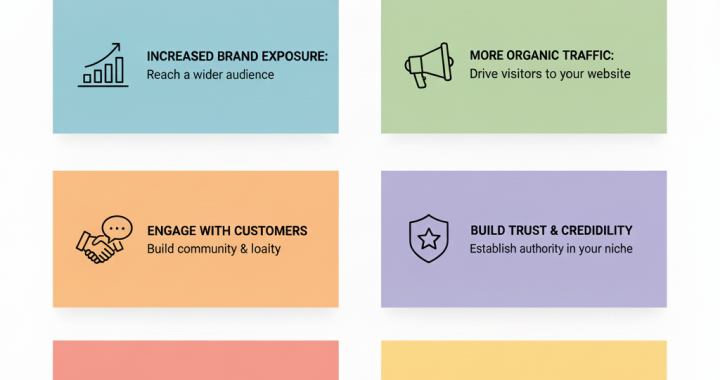
Brand awareness is the foundation of business success. Social media helps businesses consistently appear in front of their audience through posts, stories, videos, and ads.
Even when users don’t purchase immediately, repeated exposure:
Builds familiarity
Improves brand recall
Creates trust over time
Unlike traditional advertising, social media allows continuous brand presence without high costs.
3. Social Media Marketing Is Cost-Effective
Compared to traditional marketing, social media marketing is highly affordable and flexible. Businesses can:
Start with zero budget using organic posts
Run paid ads with small daily budgets
Scale campaigns based on performance
This makes social media marketing ideal for startups, small businesses, and growing brands.
Business advantage: High reach and engagement without heavy investment.
4. Social Media Enables Direct Customer Engagement
Social media marketing is not one-way communication.
Comments
Messages
Polls
Live sessions
This interaction helps businesses:
Understand customer needs
Build relationships
Resolve issues quickly
Why engagement matters: Engaged customers are more loyal and more likely to recommend your brand.
5. Social Media Marketing Builds Trust and Credibility
Trust plays a major role in purchasing decisions. Businesses that maintain an active and professional social media presence appear more reliable and transparent.
Trust is built through:
Consistent posting
Honest communication
Customer reviews and testimonials
Responding to queries and feedback
When people see real interactions and positive experiences, confidence in the brand increases.
6. Social Media Helps Businesses Understand Their Audience
Social media platforms provide valuable insights about audience behavior, such as:
What content they like
When they are active
What topics interest them
These insights help businesses improve products, services, and marketing strategies.
Data-driven benefit: Better decisions based on real audience behavior.
7. Social Media Marketing Supports Lead Generation and Sales
Social media is not just for branding; it also drives real business results. Businesses can use social media to:
Promote products and services
Share offers and discounts
Generate leads through forms and messages
With the right strategy, social media becomes a strong sales support channel.
Important point: Customers often discover brands on social media before purchasing.
8. Social Media Marketing Improves Website Traffic
By sharing blogs, videos, and landing pages, social media directs users to business websites.
This helps:
Increase website traffic
Improve content visibility
Support SEO efforts indirectly
More traffic means more chances for conversions.
9. Social Media Gives Small Businesses a Competitive Advantage
Social media marketing creates a level playing field.
Creating creative content
Engaging personally with customers
Targeting niche audiences
Unlike traditional advertising, success on social media depends more on creativity and consistency than budget size.
10. Social Media Marketing Supports Personalization
Modern customers expect personalized communication. Social media allows businesses to:
Target specific audiences
Customize messages
Respond individually
Personalized interactions make customers feel valued and understood.
11. Social Media Helps Build Long-Term Relationships
Social media marketing focuses on long-term engagement rather than one-time sales.
Through regular interaction, businesses can:
Build loyal communities
Encourage repeat customers
Increase lifetime customer value
Strong relationships lead to sustainable business growth.
12. Social Media Marketing Provides Measurable Results
Businesses can track:
Reach
Engagement
Clicks
Leads
Conversions
This data helps improve campaigns and maximize results.
Why this is important: Marketing decisions become data-driven, not guess-based.
13. Social Media Helps Manage Brand Reputation
Online reputation can make or break a business. Social media allows businesses to:
Respond to negative feedback
Highlight positive reviews
Address customer concerns publicly
Active reputation management builds trust and protects brand image.
14. Social Media Marketing Adapts Quickly to Trends
Trends change fast in the digital age. Social media allows businesses to:
React instantly to trends
Join conversations
Stay relevant
This flexibility is impossible with traditional marketing.
15. Social Media Supports Content Marketing
Social media is a powerful distribution channel for content such as:
Blogs
Videos
Infographics
It ensures content reaches the right audience and gets engagement.
16. Social Media Marketing Works for All Industries
Whether it’s:
E-commerce
Education
Healthcare
Real estate
IT services
Every industry can benefit from social media marketing when strategies are aligned with audience behavior.
17. Common Misconceptions About Social Media Marketing
Social media is only for young people
Posting randomly is enough
Results come overnight
In reality, social media marketing requires strategy, consistency, and patience.
18. How Businesses Can Start Social Media Marketing Step 1: Choose the Right Platforms Step 2: Understand Your Audience Step 3: Create Valuable Content Step 4: Post Consistently Step 5: Track and Improve Performance
Starting small and improving gradually leads to success.
19. The Future Importance of Social Media Marketing
In the future, social media marketing will become:
More video-focused
More personalized
More community-driven
More integrated with AI
Businesses that invest early will gain long-term advantages.
Final Thoughts
Social Media Marketing is one of the most important tools for businesses in the digital age. It helps brands connect with customers, build trust, increase visibility, and drive growth in a cost-effective and measurable way.
In a world where people spend hours every day on social platforms, businesses that ignore social media risk becoming invisible. Those who embrace it strategically will lead their industries and build strong, lasting relationships with customers.