Search engine optimization (SEO) is not only about keywords and backlinks. Behind every well-ranking website is a strong technical foundation that helps search engines crawl, understand, and rank its pages efficiently. This foundation is known as technical SEO.
Millions of websites exist on the internet, all competing for attention. If your website does not appear on search engines when users look for products, services, or information related to your business, you are losing valuable opportunities every day.
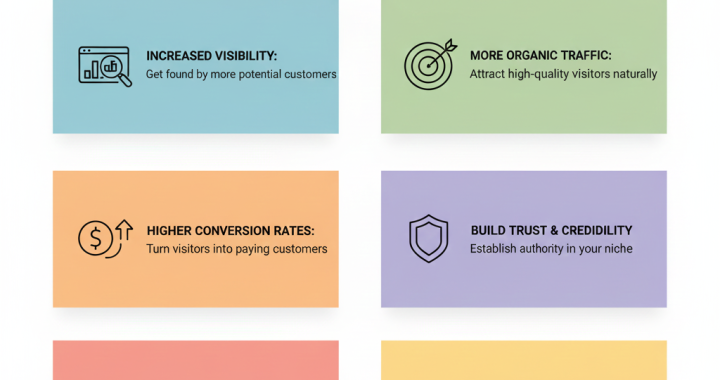
SEO is not just a marketing tactic; it is a long-term strategy that helps websites gain visibility, credibility, and sustainable growth.
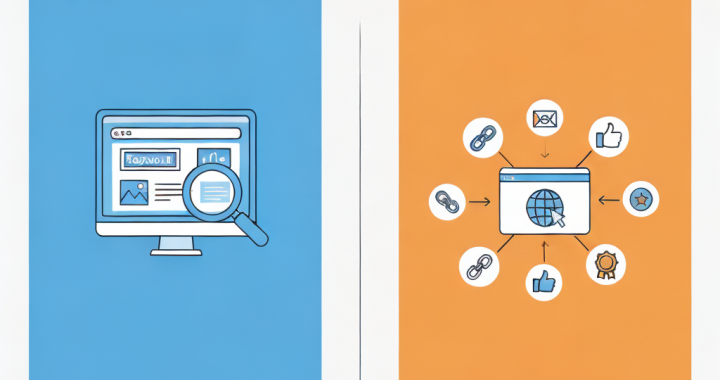
When beginners start learning SEO, they often come across two major terms: On-Page SEO and Off-Page SEO. While both aim to improve website visibility on search engines, they focus on very different areas.
Understanding the difference between on-page and off-page SEO is essential because successful SEO requires a balance of both. One cannot work effectively without the other. This blog explains what on-page and off-page SEO are, how they work, their key differences, and why both are critical for long-term search engine success.
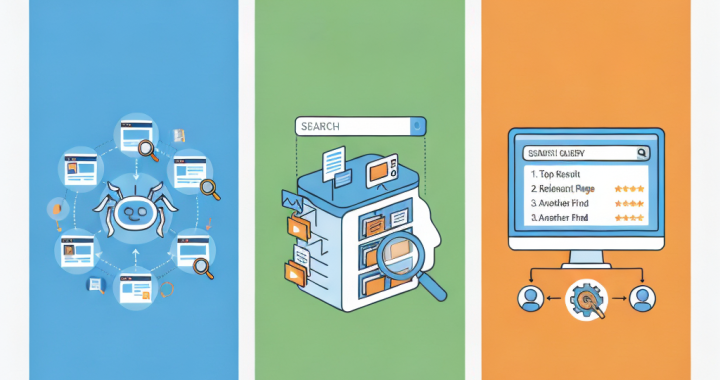
Search engines play a central role in how people find information online. Whether someone is looking for a product, service, answer, or solution, their journey usually begins with a search engine. Yet, many beginners in digital marketing and SEO do not fully understand how search engines actually work behind the scenes.
Search Engine Optimization (SEO) has never been static. From keyword stuffing in the early days to today’s user-focused, AI-driven algorithms, SEO continues to evolve rapidly. For beginners, this constant change can be confusing — but it also creates opportunity. Those who understand where SEO is heading can build long-term visibility, authority, and growth.